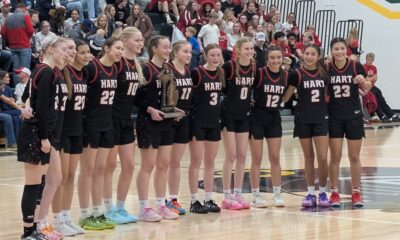
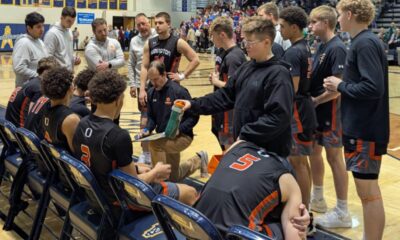
On a Tuesday night in February, the gym is half full. The bleachers aren’t empty, but they’re quieter than they used to be. The players look tired. Legs are heavy. The pace is uneven. A pass sails out of bounds, then another. No one’s angry—just flat.
The coach calls a timeout. Not to draw up something clever. Not to change momentum. Just to let everyone breathe.
It raises a question that’s becoming harder to ignore in high school sports:
What happens when teams keep playing games… but stop having time to practice?
Longer seasons are often sold as progress. More games mean more chances to compete, more opportunities to be seen, more nights under the lights. In theory, it all sounds positive. But beneath the excitement, something has shifted. The balance between preparation and performance has tilted, and the game itself is starting to feel the weight.
When Practice Stops Being the Priority
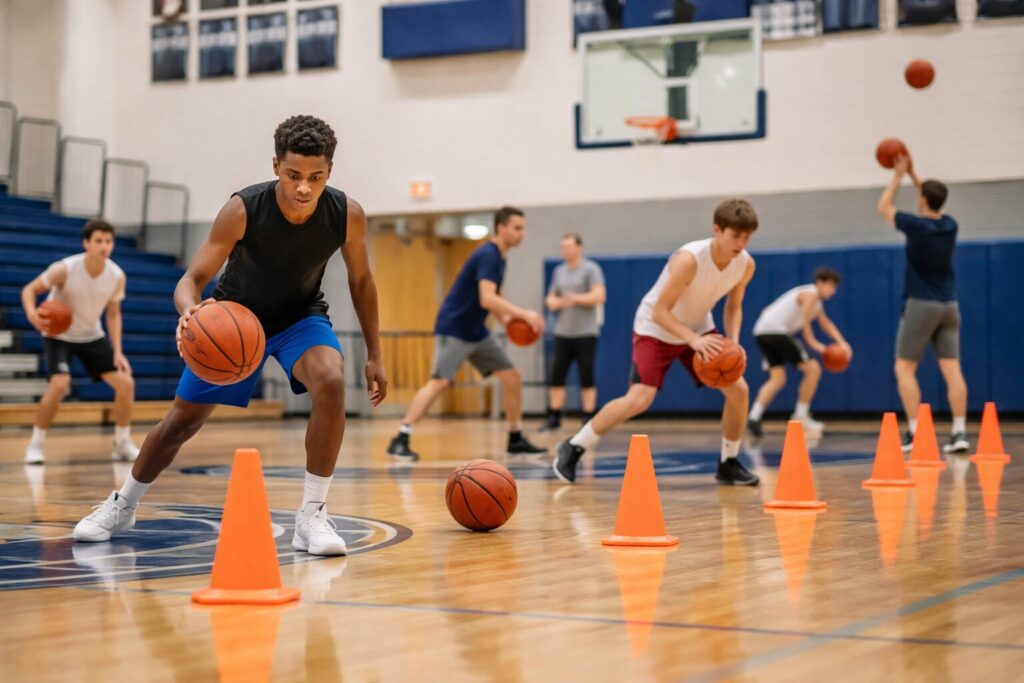
Not long ago, practice was where seasons were built. It was where fundamentals were taught, mistakes were corrected, and teams found their identity. Practice was repetitive and demanding, but it was also where confidence came from. Games were the test. Practice was the work.
Now, as schedules expand, that foundation has quietly eroded.
Classes don’t end earlier just because there’s a road game. Buses still have to leave on time. Recovery days get squeezed because there’s another opponent waiting. Rules limit how much coaches can ask for, even when the need is obvious. The solution, more often than not, is cutting practice time—sometimes before the season even finds its rhythm.
That’s where a common pushback surfaces: Why not just use practice time more efficiently?
In many cases, coaches already are. The issue isn’t creativity or effort—it’s math. When practice time gets compressed, coaches are forced to choose between installing game plans, fixing what just went wrong, and actually teaching fundamentals. Efficiency can’t replace repetition, and repetition is where development happens. You can’t optimize your way around fewer reps, especially for younger athletes still learning the basics.
Games Teach—but They Don’t Build
Another argument often follows: Aren’t games the best teacher anyway?
Games are a powerful teacher—but they’re a harsh one. In games, mistakes cost points, confidence, and sometimes playing time. Practice is where mistakes are expected, corrected, and repeated until they stick. Without that space, athletes learn by trial and error under pressure. That environment favors experienced or physically advanced players and leaves others struggling to keep up. Games test what you know. Practice is where you learn it.
Michigan Didn’t Stumble Into This
In Michigan, this didn’t happen by accident.
The MHSAA has made deliberate changes over the last several years to help schools keep kids involved. Basketball seasons were expanded. Preseason practice windows were shortened. Teams were allowed to start competing sooner and fit more contests into tighter schedules.
The intent was understandable—and even admirable. Leaders wanted to encourage multi-sport athletes, reduce early specialization, and help schools keep JV and freshman teams alive. After the pandemic, participation mattered. Keeping doors open mattered.
So no, this isn’t about blaming the MHSAA for tired kids. It’s about acknowledging cause and effect. Policy decisions don’t live on paper. They live in real gyms, on real buses, and in real bodies. When schedules expand and preparation time shrinks, fatigue becomes more likely. That doesn’t mean the goals were wrong—but it does mean the outcomes deserve scrutiny. Good policy isn’t judged by intention alone. It’s judged by how it plays out.
You Can See It in the Games
The sloppiness isn’t always dramatic. It’s subtle. A missed rotation that turns into an open look. A defender reaching instead of moving their feet. A possession that looks rushed for no obvious reason.
Fundamentals suffer first. Younger players struggle to keep up. Coaches lean more on athleticism and instincts because there hasn’t been time to install anything deeper. Development still happens—but often only for the athletes who were already ahead. By late season, it becomes harder to tell whether a team is losing because they’re outmatched—or simply worn down.
And You Can Feel It in the Bodies
Practice is where athletes learn how to protect themselves. It’s where technique becomes habit and conditioning is built gradually, with room for correction and recovery.
Games are different. They’re reactive. Emotional. Unforgiving.
When games replace practice, fatigue sneaks in early. Minor injuries linger. Bodies never quite reset before the next tip-off or kickoff. Recovery becomes something athletes talk about more than they actually get. Ironically, many of the changes meant to reduce burnout and overuse injuries may be compressing recovery windows in ways that make both more likely.
The Hidden Cost Coaches Feel Every Day
This isn’t lost on coaches.
When games come every few days, practice becomes triage. Coaches are fixing what just happened and preparing for what’s next. There’s little time to slow things down, repeat drills, or rebuild mechanics that have slipped.
Player development still happens—but it becomes fragmented. Short conversations. Small-group work. Individual effort outside team time. Some athletes still grow. Many tread water. And yet, coaches are still evaluated by wins, losses, and postseason results—as if the structure around them hasn’t changed. Expectations remain the same, even when preparation time doesn’t.
Why Expansion Still Feels Right
And still, longer seasons keep winning the argument.
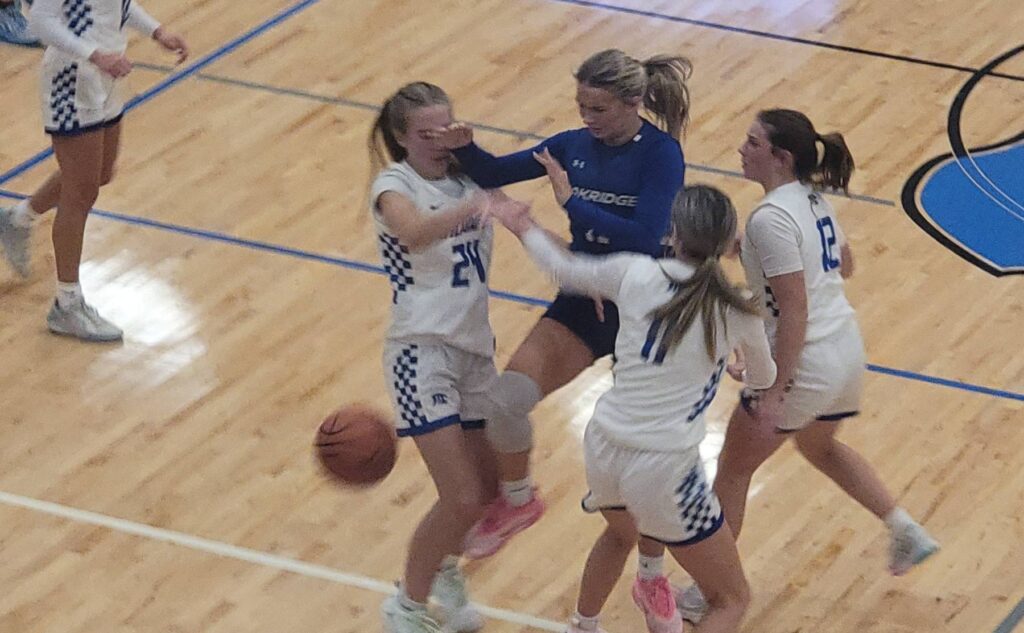
More games keep programs alive. More kids stay on rosters. Communities stay engaged. Gyms stay open longer. For schools fighting to maintain participation, extra contests can feel like a lifeline.
But here’s the tension: more games may increase access, but if they come at the expense of preparation, recovery, and development, the quality of the experience can suffer—even if participation numbers look good on paper. The question isn’t simply how many kids play. It’s what kind of experience they’re having while they do.
The Question No One Wants to Ask
If the goal is multi-sport participation, is this actually working?
In some places, yes. In others, longer seasons simply push overlap elsewhere. Athletes finish one season exhausted and immediately transition into the next without meaningful recovery. Access exists—but balance doesn’t.
So should the structure be reconsidered?
Reconsider doesn’t have to mean reverse. Good systems evolve. Reassessment isn’t retreat—it’s responsibility. If games have increased without adjusting practice and recovery accordingly, it’s reasonable to revisit the balance.
Because success shouldn’t be measured only by how many games are played or how long seasons last. Success should look like athletes still wanting to play. Fewer chronic injuries. Stronger fundamentals. More kids comfortably playing multiple sports over time. If the system produces healthier, more confident athletes who stay engaged longer, it’s working.
If not, then it’s time to ask—not defensively, but honestly—whether the balance has finally tipped too far.
Interested in more content from us? Check out our website catchmarksports.com, our Facebook page, or our YouTube page!