There is an arms race happening in youth sports. Kids need more unstructured play, but youth sports increasingly seem focused on bigger facilities, better equipment, and more structured training.
Communities are building larger complexes. Schools are installing newer turf. Clubs are adding indoor training spaces, specialized equipment, private instruction, and year-round programs. Parents are traveling farther, spending more, and filling more of the calendar in the hope that these investments will help their children improve.
Some of those investments are worthwhile. Safe fields matter. Good coaches matter. Quality facilities can create opportunities and help communities take pride in the sports programs they support.
But somewhere along the way, we may have started confusing better facilities with better development.
The greatest athletic development tool has never been a million-dollar sports complex.
It has always been time outside.
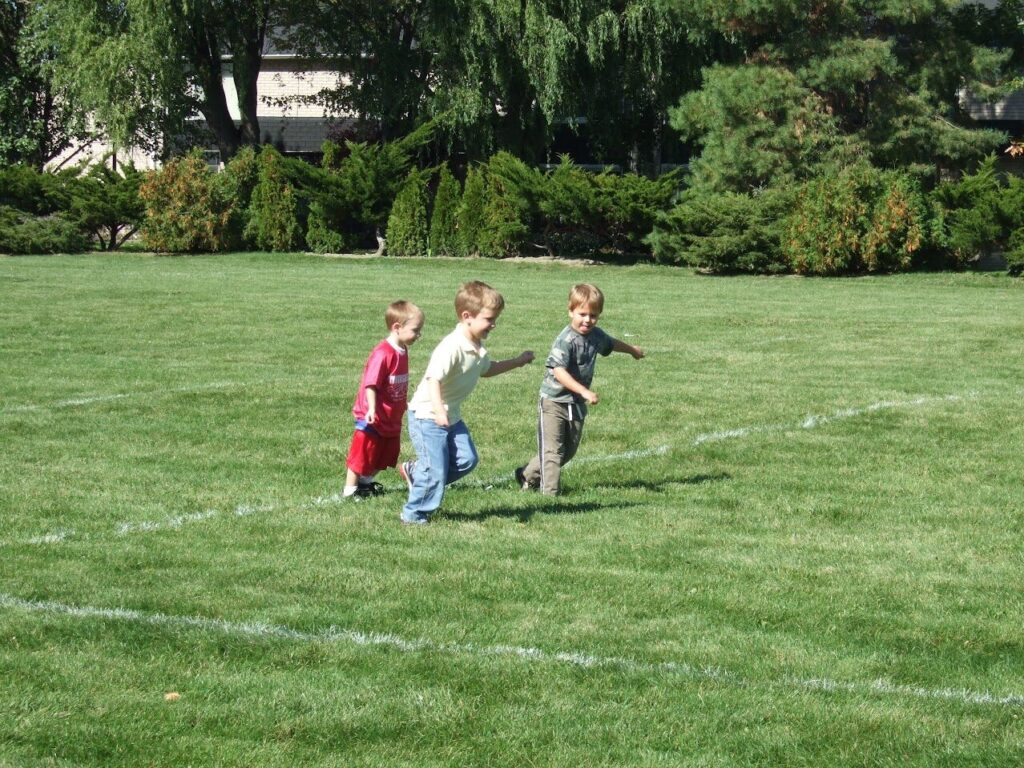
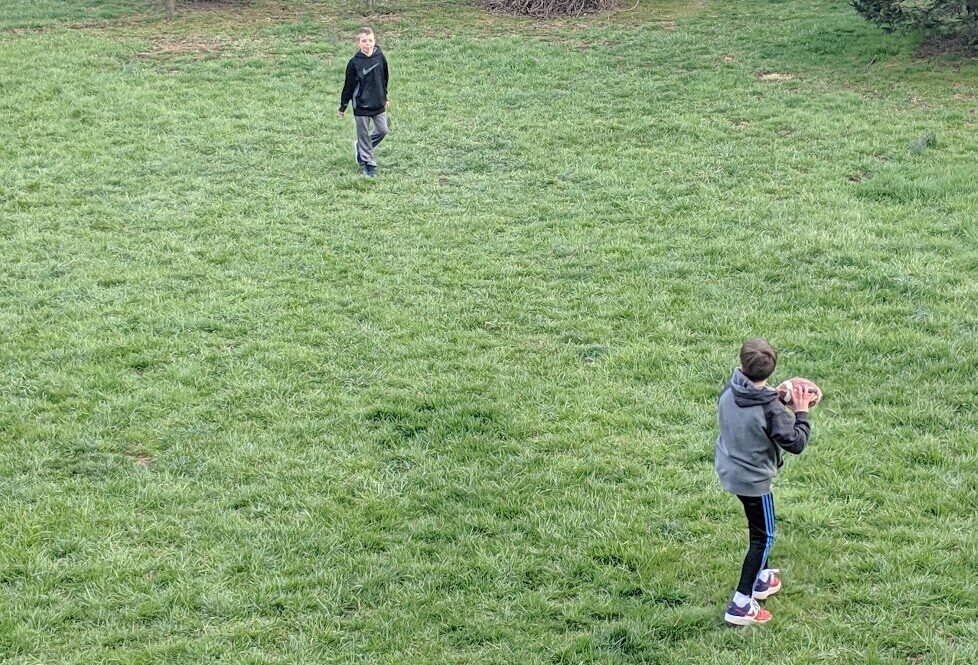
It is the neighborhood basketball hoop with a crooked rim. The empty lot that becomes a football field. The driveway marked with chalk. The backyard where kids make up the rules as they go. It is riding bikes until dinner, climbing trees, building forts, and organizing games without an adult standing nearby to explain what happens next.
For many of us, the best training we ever received did not feel like training at all.
It was play.
The Difference Between Practice and Play
Organized practice has value because it provides instruction, repetition, and structure. A coach decides what skill needs work, where players should stand, and how the drill should be performed. That structure helps young athletes learn technique and understand the game.
Unstructured play develops something different.
When kids organize their own game, no one gives them a schedule or hands out assignments. They decide how teams will be chosen. They argue over whether a ball was in or out. They change the rules when another kid joins. They adjust when someone goes home. They figure out what to do when the teams are uneven or there is only one working goal.
In those moments, children are learning much more than how to play a sport.
They are learning how to negotiate, lead, compromise, communicate, and solve problems. They are also learning how to recover from disappointment without an adult immediately stepping in to manage the situation.
Those lessons are difficult to recreate in a drill.
Athletes Are Problem Solvers
At its core, sports are about solving problems under pressure.
A basketball player must recognize an opening before it closes. A soccer player must anticipate where a teammate will be. A baseball player must adjust to a pitch in a fraction of a second. A quarterback must process movement, space, timing, and risk almost instantly.
The best athletes are not simply stronger or faster than everyone else. They are often the athletes who see the game differently.
Unstructured play helps develop that instinct.
A pickup game rarely happens under perfect conditions. The court may be cracked. The field may be too small. The basket may lean. The teams may not be fair. Someone’s younger sibling may insist on playing.
Kids adapt.
They change the boundaries. They invent a handicap. They create a new scoring system. They figure out how to keep the game going.
That is athletic development.
It is not polished, organized, or measured, but it teaches young people to think, react, and adjust. Those abilities matter in every sport.
Boredom Is a Gift
Parents often become uncomfortable when children say they are bored.
Our instinct is to solve the problem. We suggest an activity, turn on a screen, sign them up for another camp, or create a schedule for them.
But boredom is often the beginning of creativity.
When children are not immediately entertained, they begin to invent. A stick becomes a bat. A pile of dirt becomes a racecourse. A driveway becomes the final seconds of a championship game. The ordinary becomes interesting because imagination has room to work.
That kind of creativity has value far beyond sports.
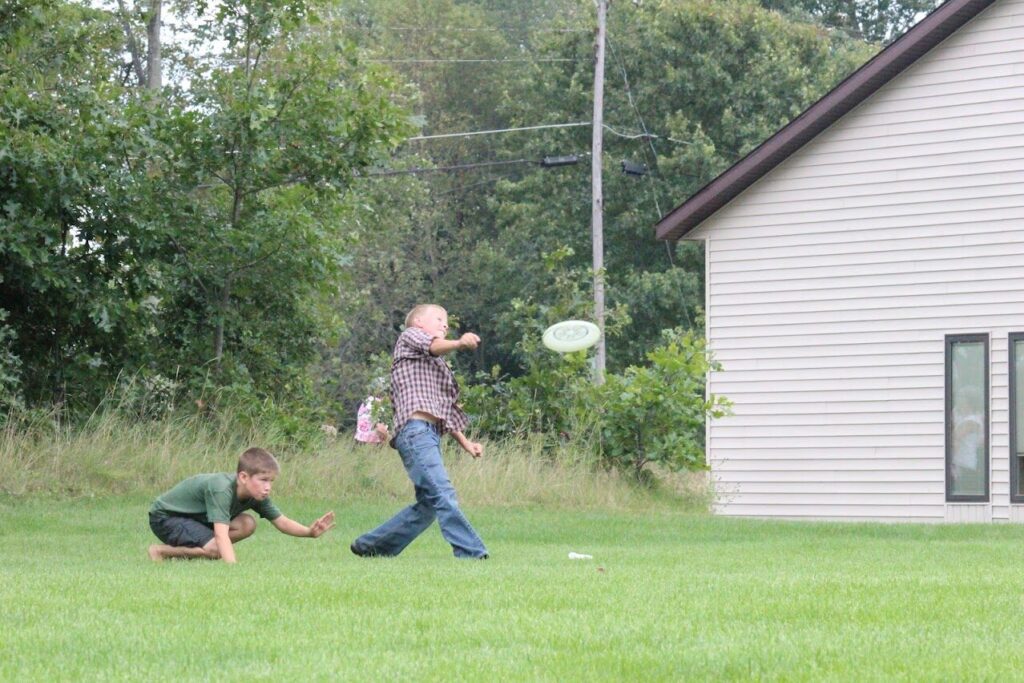
We frequently hear that problem solving, innovation, and independent thinking are among the most important skills a person can possess. Yet we sometimes schedule nearly every unsupervised moment out of childhood.
Children need space to create something that was not designed for them in advance.
They need time when there is no coach, no app, no lesson plan, and no adult directing the next step.
Every Minute Does Not Need a Coach
Good youth coaches can have a tremendous impact.
They teach fundamentals, build confidence, model leadership, and help children understand the value of teamwork and commitment. Organized sports provide important lessons that young people may not receive anywhere else.
But not every minute of a child’s development needs to be coached.
Some lessons are learned best when adults step back.
Children build confidence when they solve a problem without being rescued. They learn conflict resolution when they must settle a disagreement themselves. They learn accountability when there is no official to blame and no parent available to argue a call.
They also learn how to fail in a smaller, healthier way.
A child who loses a pickup game can try again five minutes later. There is no tournament bracket, ranking, social media post, or long drive home filled with analysis. The failure matters in the moment, but it does not become larger than it needs to be.
That is one of the quiet strengths of unstructured play. It gives children repeated opportunities to lose, adjust, and keep going.
The Best Athletes Usually Have One Thing in Common
Ask high school or college coaches what separates talented athletes from truly effective ones, and the answers often go beyond strength, speed, or technical skill.
They talk about instinct.
They talk about athletes who understand spacing, timing, and momentum. They mention players who remain composed when a play breaks down. They value competitors who can make decisions without looking to the sideline for instructions.
Those qualities are difficult to teach if every decision has always been made by an adult.
A young athlete may become technically sound through organized training, but creativity and feel for the game often come from repetition in less structured settings. They are developed through thousands of small choices made in backyards, driveways, parks, and pickup games.
That is where children learn to read the game rather than simply follow the play.
We Do Not Need More Turf as Much as We Need More Freedom
This is not an argument against better facilities.
Communities should invest in safe fields, accessible parks, quality equipment, and programs that give children opportunities to participate. Good facilities can strengthen neighborhoods and make sports more available to families.
But facilities alone do not create resilient, creative athletes.
A child does not become tougher because the field is newer.
A child does not become more imaginative because the scoreboard is brighter.
A child does not become more independent because the training center is larger.
Those qualities are usually formed in less impressive places.
They are formed when kids retrieve the ball from the woods for the twentieth time. When they figure out how to play with only six people. When they create a new game because the original one is no longer working. When they fall, get frustrated, argue, recover, and continue playing.
The environment does not need to be perfect.
In fact, sometimes the imperfections are the lesson.
Before Summer Slips Away
Summer has a way of disappearing quickly.
Before long, school schedules return. Practices become more structured. Evenings fill with homework, meetings, and responsibilities.
Before that happens, children may need something simpler than another camp or training session.
They may need an open afternoon.
They may need to be sent outside without a detailed plan.
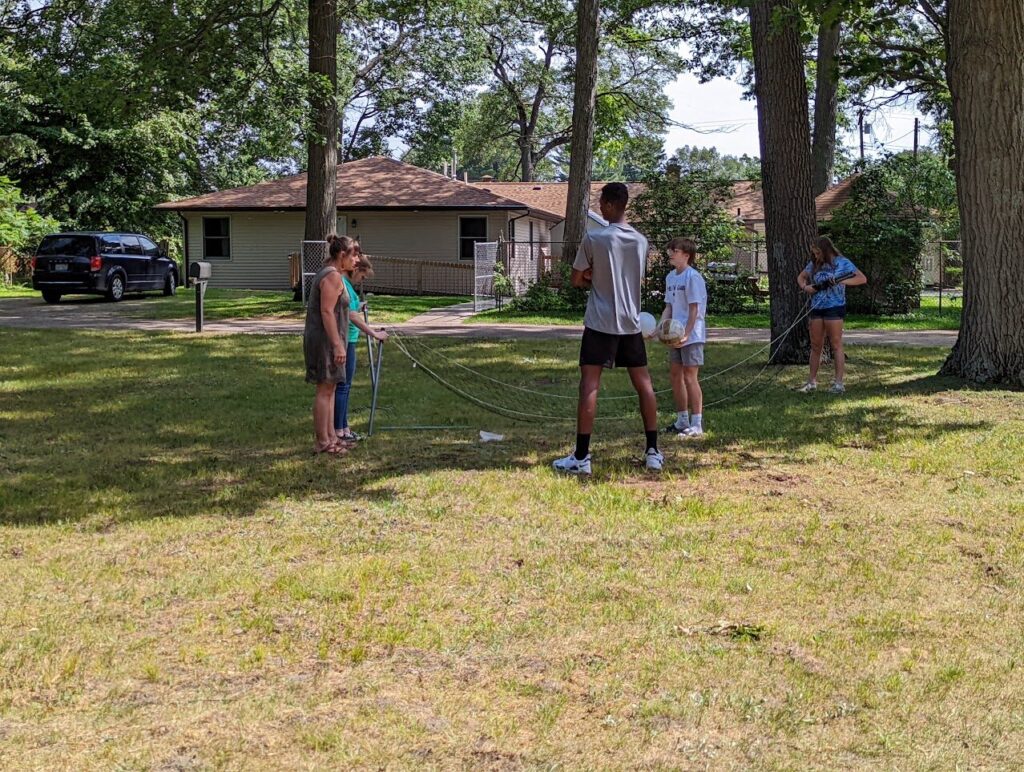
Let them ride bikes, build a fort, organize a game, fish, climb, explore, get dirty, and become bored enough to create something of their own.
One day, they may not remember the newest turf field or the nicest training facility.
But they will remember the summer evenings when the neighborhood became their stadium, the driveway became the championship court, and the only signal that the game was over was the streetlights coming on.
Those afternoons may have done more than help them become better athletes.
They may have helped them become more creative, more resilient, and more capable people.
Share your thoughts in the comments or join the conversation on Facebook.

If you are interested in more of our content, head to our website at catchmarksports.com, our YouTube, or our Facebook page! This coverage is powered by CatchMark Technologies: learn more at catchmarkit.com. Where you can find all of you MSP and Technology needs.