In the small town of Shelby, basketball had always mattered—but in the early 1970s, it became something more. Over two unforgettable seasons, the Shelby Tigers rose from a strong local program to a name etched permanently into Michigan high school basketball history. What followed was not just a championship run, but a story of perfection, resilience, and a team that refused to let its moment end.
The Season No One Could Stop (1971)
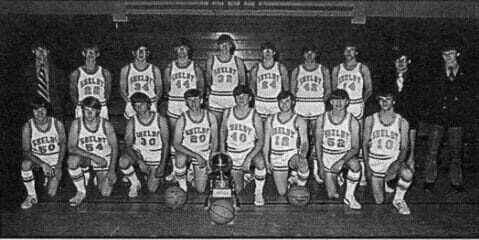
The 1970–71 season unfolded with an unmistakable sense of momentum. Game after game, the Tigers won—methodically, confidently, and without apology. Led by head coach Ed Douma, Shelby moved through its schedule untouched, building belief with every victory.
By the time the postseason arrived, Shelby was unbeaten and battle-tested. The Tigers marched through the tournament and earned their place in the Class C state championship game, where they would face Stockbridge—another undefeated powerhouse. It was the kind of matchup fans dream about: two perfect teams, one title.
On the championship floor, Shelby wasted no time asserting itself. Kimm Griffin, a senior whose size and skill dominated the paint, scored early and often, setting the tone for the night. Fred Sanford controlled the boards and punished Stockbridge inside, while a young Paul Griffin, just a junior at the time, played with poise beyond his years.
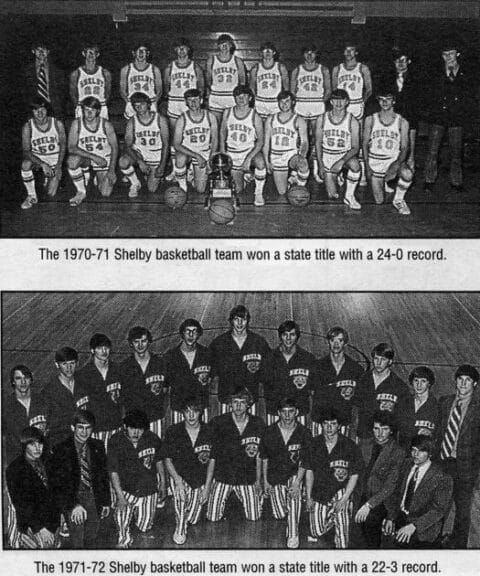
When the final horn sounded, Shelby had secured a 71–57 victory, completing a perfect 24–0 season and delivering a state championship that felt both earned and inevitable. Shelby wasn’t just champions—they were flawless.
A New Season, New Questions (1972)
Great teams rarely stay intact forever. When the Tigers returned the following season, the questions came quickly. Shelby had graduated key leaders from the perfect season, including Kimm Griffin and Fred Sanford. The early part of the 1971–72 season proved more difficult. Losses appeared on the schedule. Long winning streaks ended.
But what the Tigers lacked in certainty, they made up for in experience.
At the center of the team now stood Paul Griffin, no longer the junior contributor, but the leader. Around him was a core of players who had already climbed the mountain once—and knew exactly what it took to get back.
As the tournament began, Shelby found itself again. The defense tightened. The offense flowed. One win became two, then three. Once more, the Tigers were playing for a state championship.
The Championship That Tested Them
The 1972 Class C final against Saginaw St. Stephen was nothing like the year before. This game demanded resolve.
Shelby led late, but St. Stephen refused to fade. A fourth-quarter surge tied the game, and suddenly the Tigers faced the very real possibility that their reign would end just short of history.
Instead, Shelby answered.
Calm replaced chaos. Free throws fell. Defensive stops came when they mattered most. In the final minutes, the Tigers pulled away, closing the game on their terms and winning 71–61. The repeat was complete.
A Team That Became a Legacy
What made the back-to-back championships so remarkable was not just the trophies, but the contrast. One season was perfect and dominant. The next was uncertain and hard-fought. Together, they told the full story of a championship program.
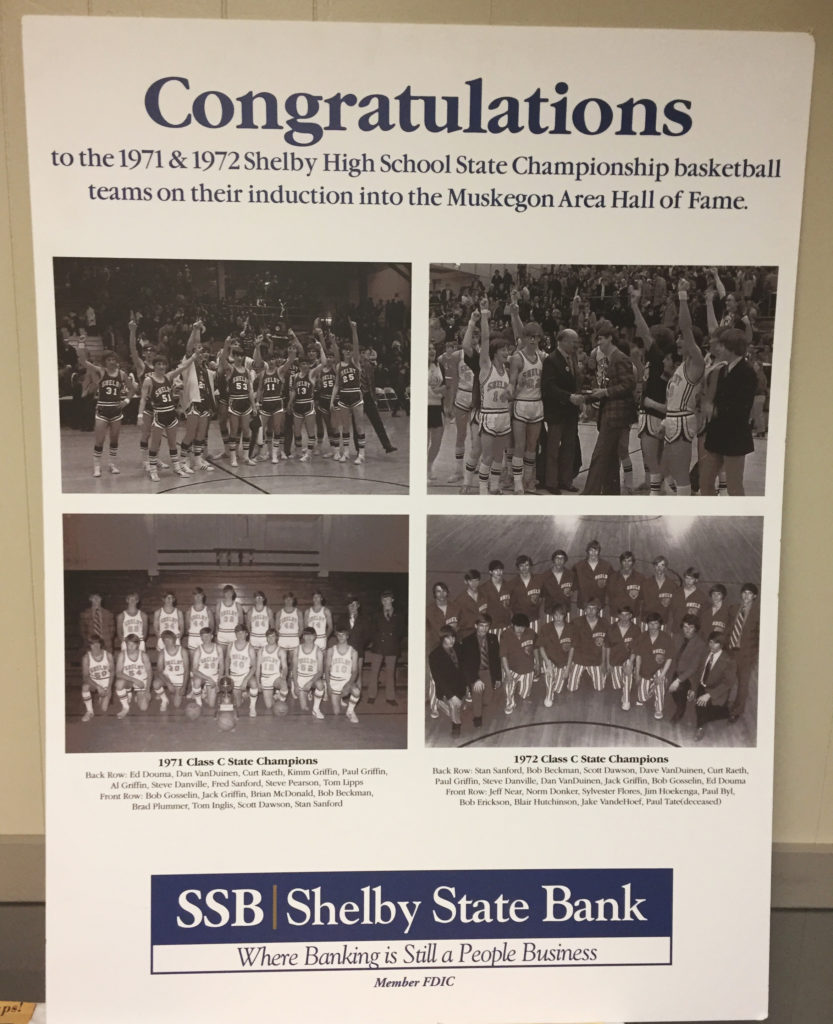
Players like Bob Gosselin, Jack Griffin, Bob Beckman, Scott Dawson, Stan Sanford, Dan VanDuinen, Curt Raeth, Steve Danville, and Paul Griffin formed the backbone of both runs, carrying lessons from 1971 into the pressure of 1972. Their ability to adapt and endure defined the era.
Decades later, those teams remain a point of pride in Shelby—not just for what they won, but for how they won it. A perfect season. A determined repeat. And a reminder that the greatest teams aren’t remembered only for dominance, but for the moments when they were tested and answered anyway.
Interested in more content from us? Check out our website catchmarksports.com, our Facebook page, or our YouTube page!