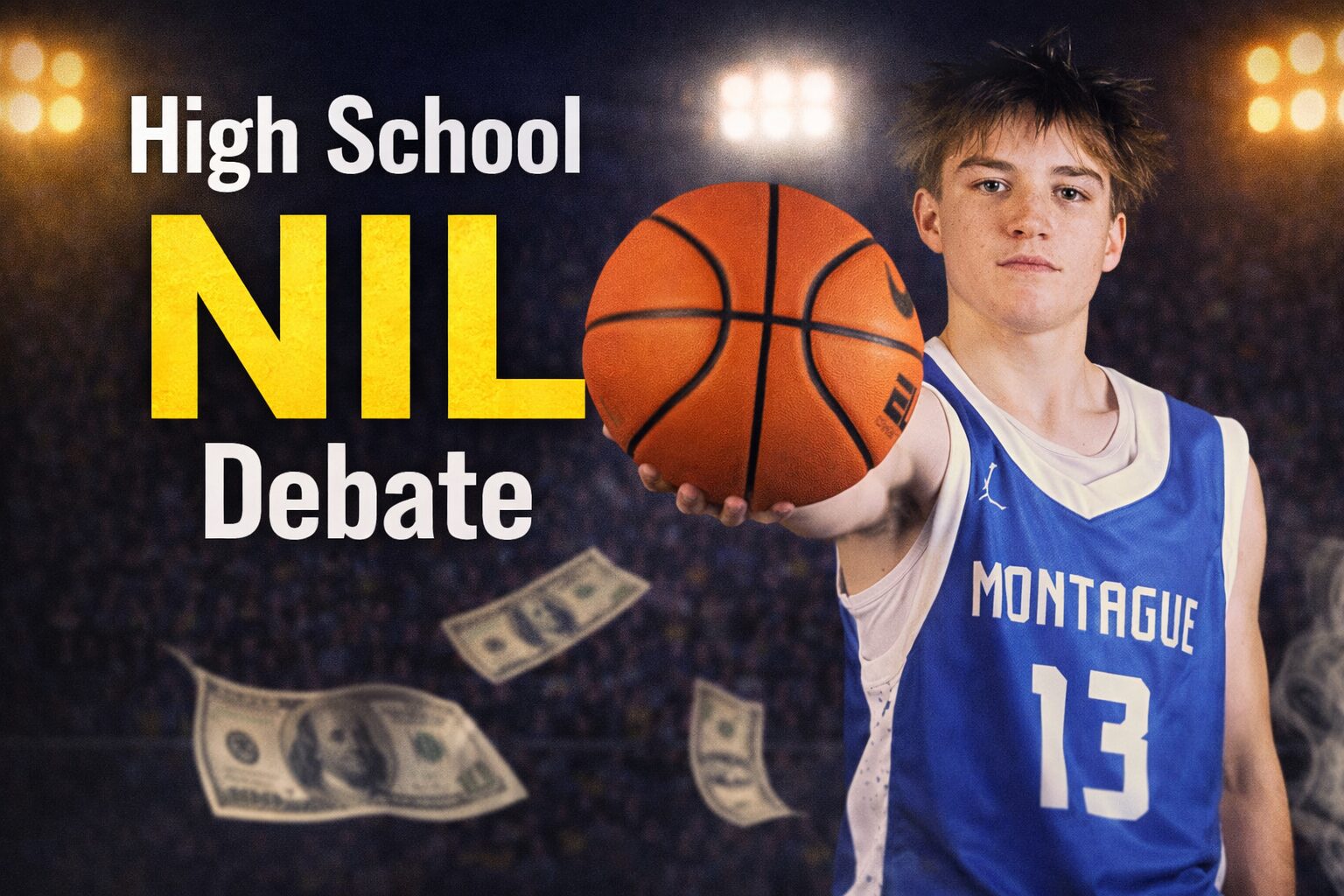
The conversation around Name, Image, and Likeness rights for high school athletes has officially arrived in Michigan, and predictably, it has stirred strong opinions on both sides. Legislation allowing student-athletes to profit from NIL opportunities recently received a hearing before the Michigan Senate Oversight Committee, pushing the issue squarely into the spotlight for schools, families, and athletic programs across the state.
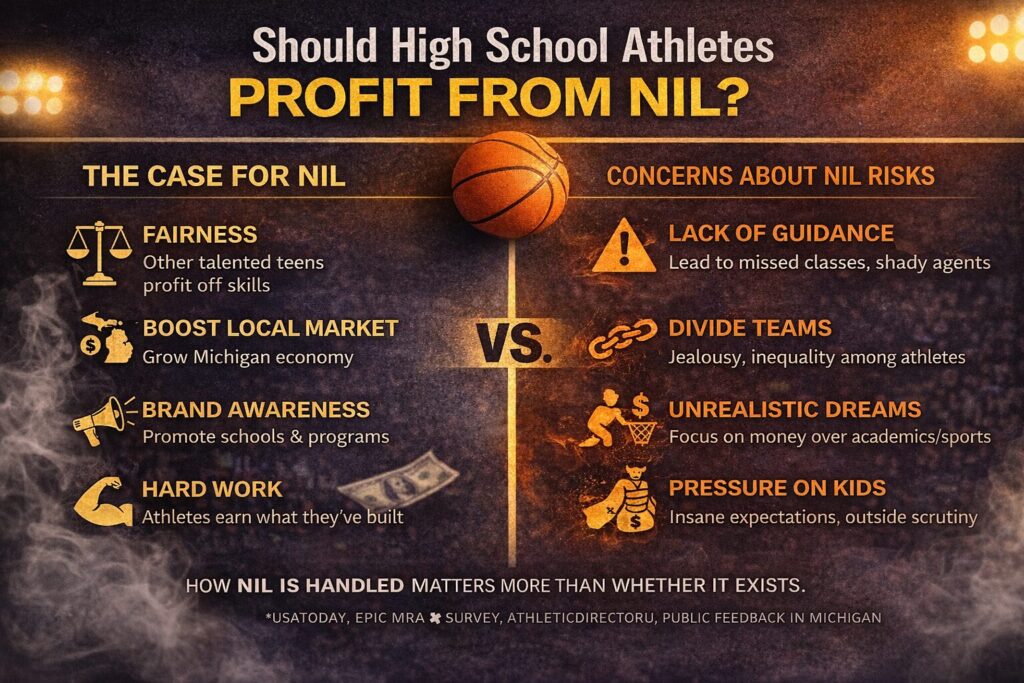
Some see NIL as long overdue fairness for student-athletes. Others fear it will open the door to chaos, competitive imbalance, and unintended consequences into an environment that has traditionally prioritized education, development, and community. The truth, as usual, lives somewhere in the middle.
At its core, NIL is about recognizing value. If a student has a skill, talent, or platform that generates interest and opportunity, should they be allowed to benefit from it? In most areas of life, the answer has long been yes.
- A math prodigy who develops an app in high school can sell it.
- A young engineer can patent an invention.
- A gifted musician can perform, record, and earn income.
- An actor can land roles and endorsements before graduation.
- Even social media influencers, many still in high school, are already monetizing their reach.
In fact, not only are these students allowed to profit from their abilities, they are often encouraged to do so. They receive mentorship, legal guidance, and structured pathways to ensure their talent is developed responsibly.
So why should high school athletes be treated differently?
That argument has resonated with supporters of the proposed legislation, who point out that athletic ability is no less a skill than academic brilliance or artistic talent. During testimony before the Senate committee, Detroit high school basketball player Lance Stone explained the reality many athletes face.
“Due to devotion, diligence to furthering our opportunities as student-athletes, we don’t have the ability to work after school and on weekends like most other students have. It’s because of name, image, and likeness that we can earn money and other opportunities to help us as we move forward with our careers and our lives,” Stone told committee members.
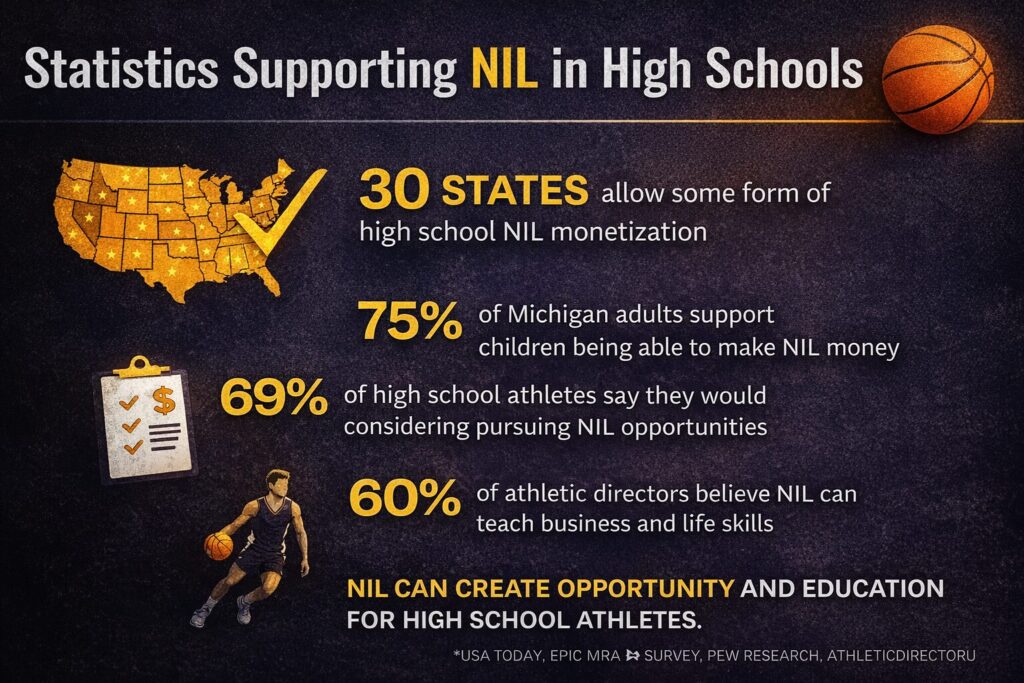
This perspective is gaining traction nationwide. According to USA Today, roughly half of all states now allow some form of NIL monetization for high school athletes. The momentum accelerated after a 2021 U.S. Supreme Court ruling prevented the NCAA from blocking college athletes from signing endorsement deals, a decision that has since reshaped college athletics and led to major endorsements for top-tier players.
Still, high school is not college, and that distinction matters.
Michigan High School Athletic Association Executive Director Mark Uyl has cautioned against unrealistic expectations. Based on feedback from states that have already passed NIL legislation, Uyl notes that actual opportunities for high school athletes have been limited. The idea of widespread financial windfalls, he says, does not align with reality.
That reality check is important, but it does not eliminate legitimate concerns.
State Senator Ed McBroom voiced worries during the hearing about the broader impact NIL could have on education and youth sports. His concern is not simply about money, but about the pressures, politics, and incentives that may come with it. When money enters the picture, priorities can shift, often in ways that are difficult to control.
Those concerns underscore the real risk of NIL at the high school level. Without clear structure, NIL could invite outside influence, increase recruiting pressure, and create divisions within teams and communities. The danger is not athletes earning money. The danger is losing sight of why high school sports exist in the first place.
Supporters of the bill argue those risks are exactly why guardrails are necessary. The legislation includes restrictions designed to keep NIL separate from official school athletics. Endorsement contracts would require approval from the MHSAA. Parental consent would be mandatory for athletes under 18. Advertising on jerseys or banners at school events would be prohibited.
As bill sponsor Representative Jimmie Wilson Jr. emphasized, the intent is to preserve the integrity of high school athletics while still allowing students to benefit from their own name and image.
That balance is the key.
This is not an argument for or against NIL. It is an argument for responsible NIL.
Michigan has the opportunity to learn from other states, both their successes and their missteps. Done thoughtfully, NIL can empower student-athletes without turning high school gyms into marketplaces or locker rooms into business negotiations.
High school sports have always been about opportunity, discipline, and preparation for what comes next. Allowing athletes to benefit from their own abilities can be part of that preparation, if it is handled with care, clarity, and restraint.
Fairness and structure do not have to be enemies. In fact, NIL will only work at the high school level if they walk together.
Want to hear more about why attendance is down in high school athletics?